Tyres, Tracks or Steerable Axles: Reducing Soil Compaction with Your Chaser Bin
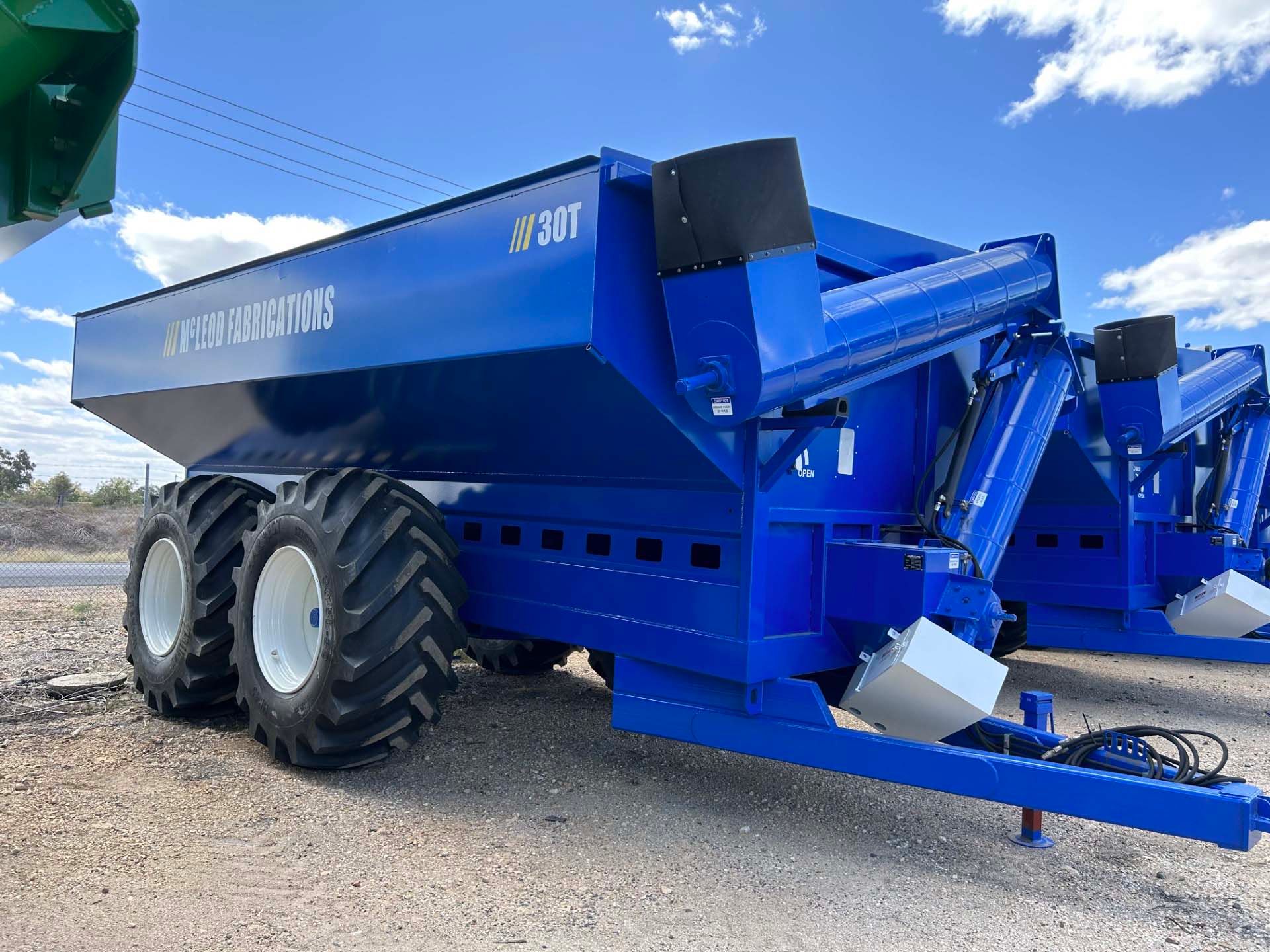
A loaded chaser bin can weigh 20 to 30 tonnes, and every pass across a paddock puts that weight straight into the soil beneath your crop. If you’re looking to reduce soil compaction in agriculture, the undercarriage under your chaser bin is where you should start. Tyres, tracks and steerable axles all spread that load differently, and the option you choose has a real effect on root growth, water infiltration and yield for years to come.
Quick Answers
- Soil compaction restricts root growth and water movement, and Australian trials show it can cost growers several per cent of yield across a whole paddock
- Wide, correctly inflated tyres spread load well at the surface but do little for deep compaction under heavy axle loads
- Tracks improve flotation and reduce surface rutting but don't eliminate compaction from a heavy chaser bin
- Steerable axles cut soil disturbance in the turns, where tyre scuffing does most of its damage
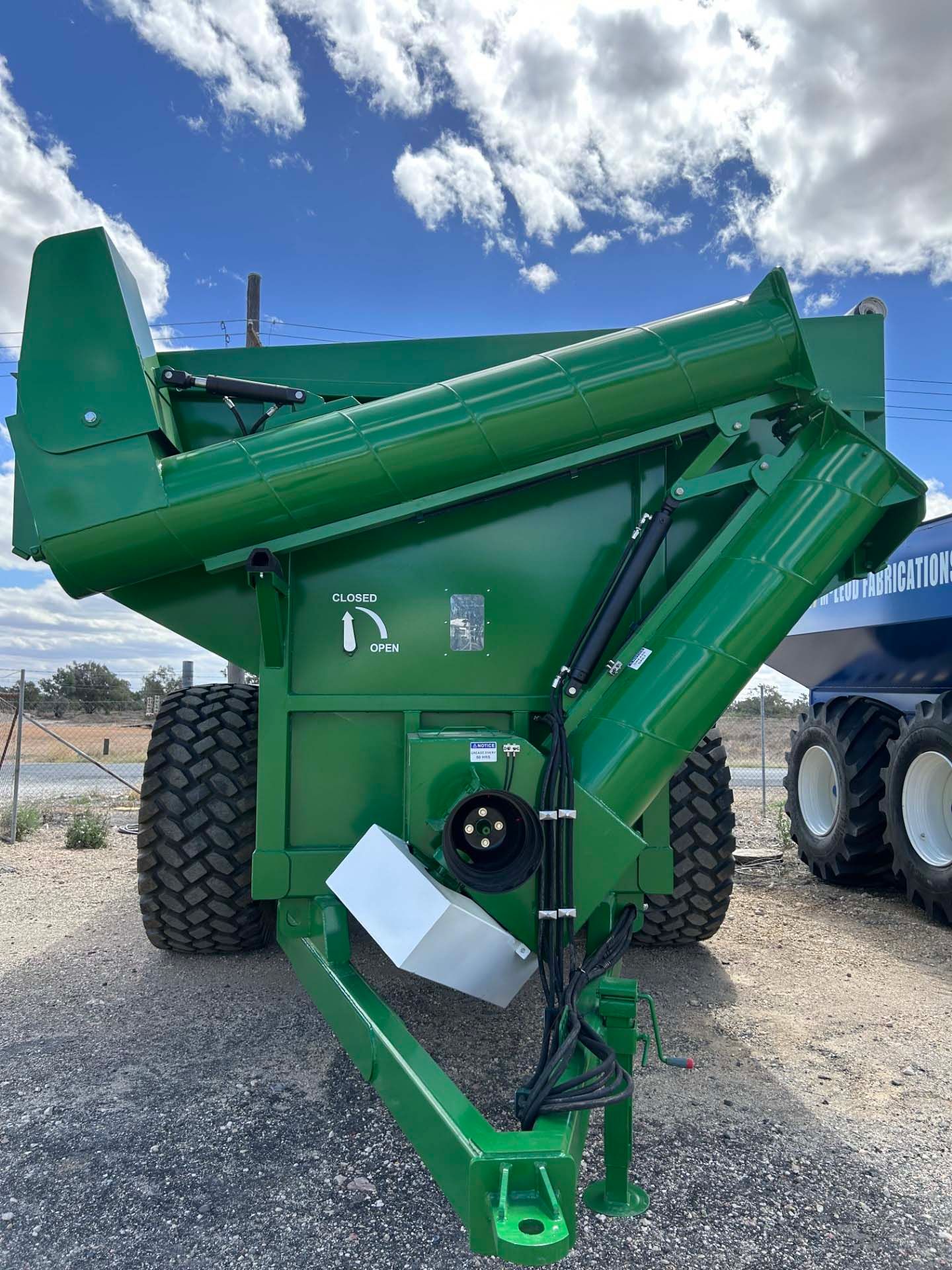
- McLeod Fabrications builds chaser bins with tandem axle setups designed around this problem
Why Soil Compaction Is a Real Problem
Compacted soil has less pore space for air, water and roots. Once you compress it, crops sitting on that compacted zone often show shallow, restricted root systems and patchy establishment. Agriculture Victoria research found that deeper compaction is mostly affected by axle load rather than tyre type, and that computer modelling can now visualise soil pressure distribution to compare different machinery.
Over two decades of Australian trials, controlled traffic farming (which limits compaction to permanent wheel tracks) has delivered yield benefits generally ranging from two to 16 per cent across the whole farm. That's the scale of what's at stake once your chaser bin starts running wheel to wheel across the same ground every harvest.
There are two separate problems to solve. Surface compaction, caused by ground contact pressure, responds well to a bigger footprint. Deep subsoil compaction, caused by total axle load, is much harder to fix once it's there, and largely determines whether your undercarriage choice actually pays off.
Tyres: Simple, Proven, Load-Dependent
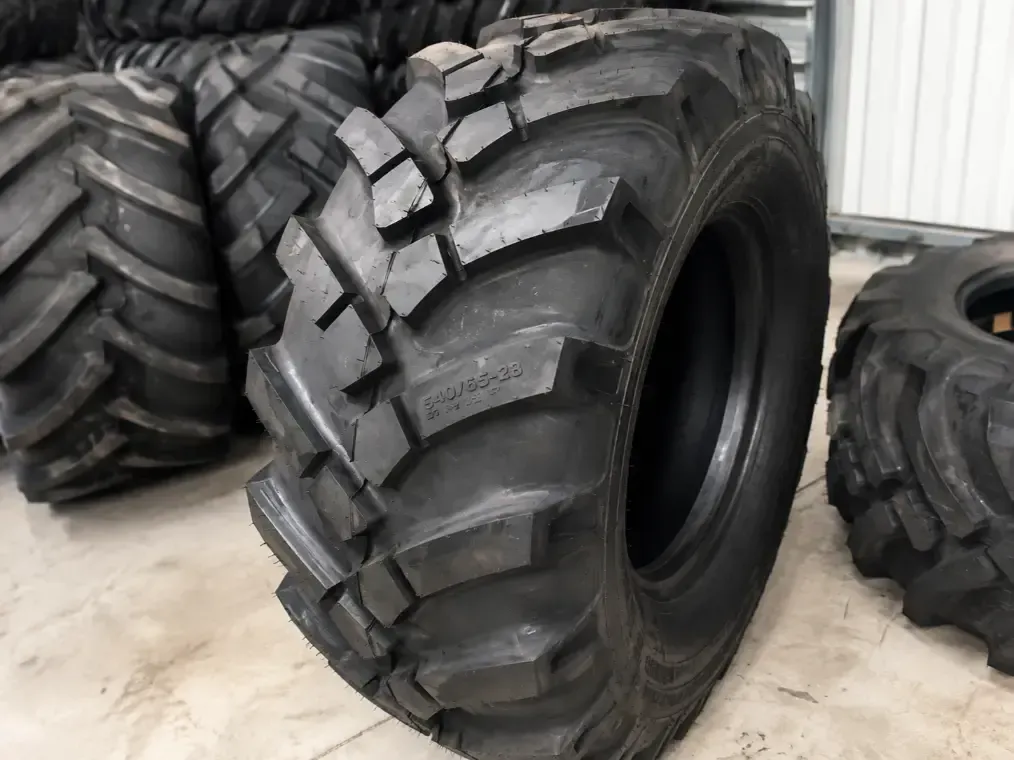
Wide floatation tyres remain the standard on most Australian chaser bins because they're durable, cheap to maintain and easy to source locally. Tasmania's DPIPWE notes that reducing ground contact pressure by increasing the tyre footprint, through low ground pressure tyres, duals or radials, helps minimise surface compaction, while sub-soil compaction is primarily determined by axle load.
In other words, the right tyre setup is one of the simplest ways to reduce surface soil compaction. But if your bin is carrying a heavy load on too few axles, no amount of tyre width fixes what's happening 30cm down.
Tracks: Better Flotation, Not a Silver Bullet
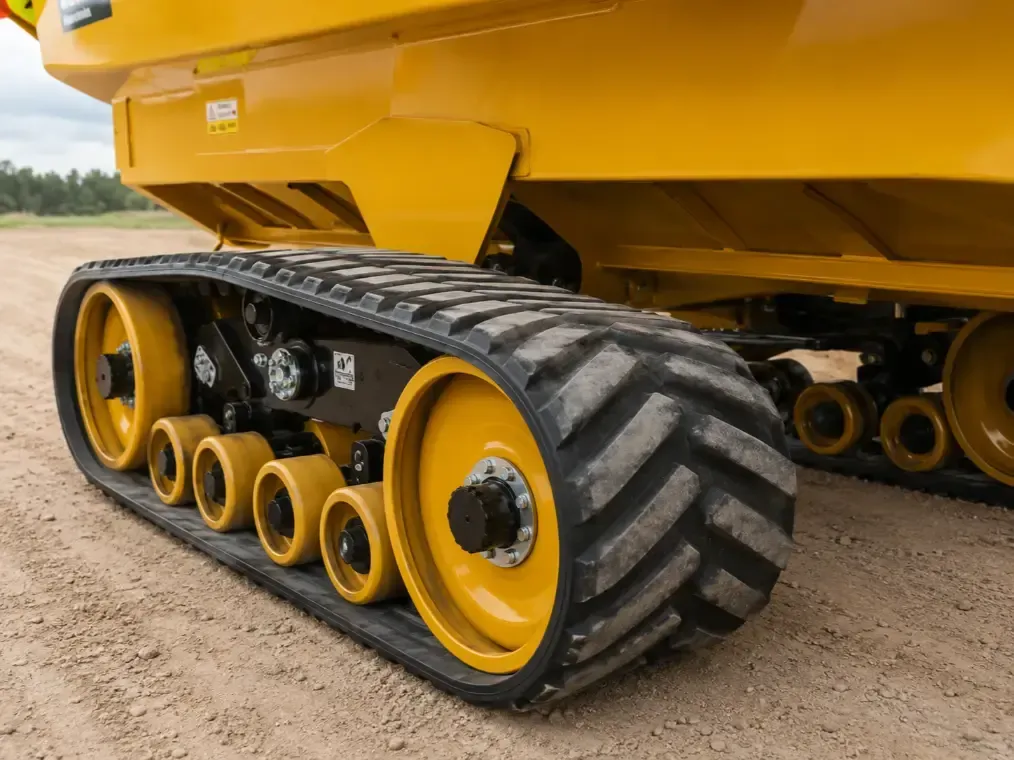
Tracks spread weight over a longer footprint and generally handle wet, boggy conditions better than tyres. A chaser bin on tracks can access paddocks earlier after rain and leave shallower ruts. That said, tracks concentrate load unevenly at the bogies and idlers, so the compaction benefit isn't as clean-cut as it looks, and a chaser bin on tracks costs considerably more to buy and maintain than a comparable tyred bin.
Steerable Axles: Solving the Turning Problem
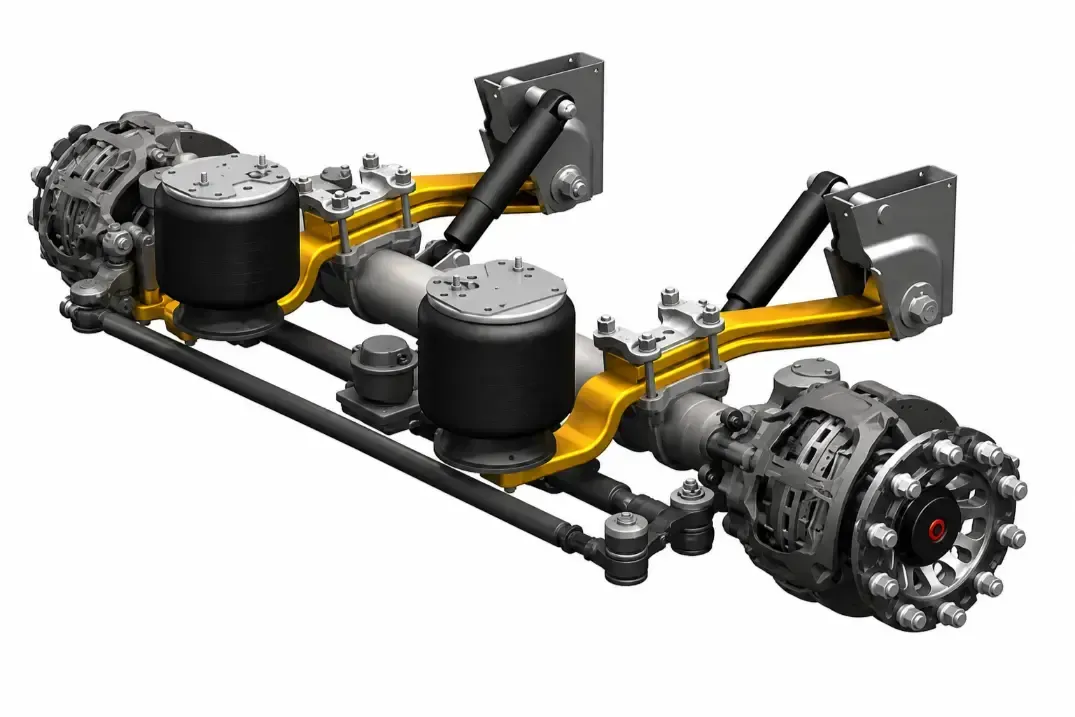
Most soil disturbance from a chaser bin happens on headlands and turns, where a rigid axle set-up drags and scuffs rather than tracking cleanly behind the tractor. A steerable, self-tracking axle follows the tractor's path instead of cutting corners, reducing scuffing and compacting at each end of the paddock. This is one of the more practical and affordable ways to reduce soil compaction without the cost jump to a full tracked system.
Which Option Suits Your Operation?
For most broadacre grain growers, a well-matched tandem axle with steerable rear wheels and correctly sized, properly inflated tyres offers the best balance of cost, reliability and compaction control. Tracks are the better option for heavier, wetter country where flotation matters more than upfront cost. The critical number to watch, regardless of undercarriage, is total axle load. Keeping this as low as practical is still the single biggest factor in avoiding deep, long-term compaction.
McLeod Fabrications builds our chaser bins with tandem-axle configurations engineered to spread the load and reduce paddock scuffing, in 20T, 25T, and 30T models. If you're weighing up your undercarriage options for a new bin, our team can talk you through specifications built for your soil type and paddock conditions.
Located in NSW, we ship Australia-wide with fast turnaround times:
NSW/ACT:
VIC:
QLD:
SA:
NT:
WA:
We also provide other https://www.mcleodfabrications.com.au/ and build skid steer laser graders and drag buckets for levelling work around the property, all through our custom steel fabrication service based in Walgett, NSW. Call us on 0427 281 527 to discuss chaser bin specifications and pricing.