Seven Jobs a Skid Steer Grader Attachment Does Better Than a Bucket

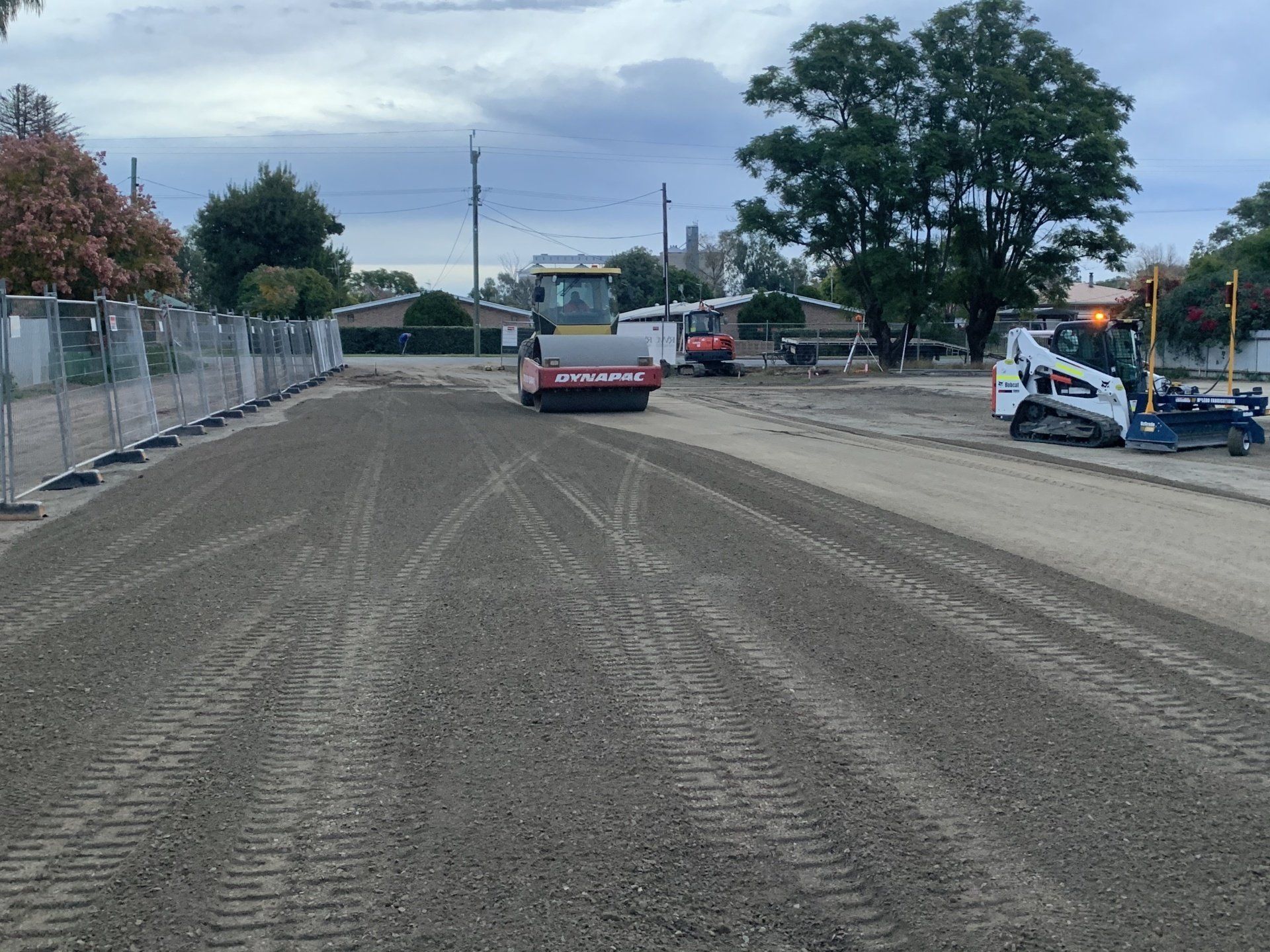
If you're still reaching for the bucket every time you need to level a laneway or fix up a yard, you're doing more passes than you need to. There are plenty of skid steer attachment uses that outperform a standard bucket, and grading is one of the clearest examples. A skid steer grader attachment gives you a flat, consistent finish in a fraction of the time, without the gouging and chasing that comes with dragging a bucket across uneven ground.
Key Takeaways
- A skid steer grader attachment beats a bucket for any job that needs a level, consistent surface, including laneways, yards, arenas, and stockyards.
- Buckets are built for scooping and carrying, not finishing. They dig in, push unevenly, and leave a rough surface behind.
- A laser-guided grader attachment removes the guesswork, holding grade automatically instead of relying on the operator's eye.
- For property-wide work, comparing skid steer vs tractor options usually comes down to attachment speed versus PTO-driven grunt.
- Locally built attachments mean parts and repairs are easy to source, rather than waiting for imported gear.
1. Levelling Laneways and Access Roads
A bucket's flat bottom looks like it should grade a laneway just fine, until you hit a soft patch and the front edge digs in, leaving a trench instead of a level surface. A grader attachment spreads the load across its full width and holds a consistent cutting depth, so you finish the laneway rather than fighting it.
2. Building a Crown for Drainage
Laneways and yards need a slight crown so water runs off to the sides instead of pooling. Tilting a bucket to create that crown is nearly impossible without gouging one side. A grader attachment tilts and angles cleanly, giving you a proper fall without the trial and error.
3. Finishing Stockyards and Arenas
Stock work needs a firm, even surface without ruts or low spots holding water after rain. This is one of the more overlooked skid steer attachment uses on a working property, but it saves real time compared to hand-raking or repeated bucket passes.
4. Prepping Building Pads and Shed Sites
Before a concrete pour or shed slab goes down, the pad needs to be flat within a tight tolerance. This is where a skid steer attachment starts to pay for itself. A grader board attachment or laser-guided grader gets you there in fewer passes than a bucket ever will, which matters when a concreter is booked and waiting.
5. Maintaining Fire Breaks and Firebreak Tracks
Fire breaks need to be graded regularly to stay clear and level, not dug up. A bucket tends to scrape unevenly, leaving loose material in the middle of the track. A grader attachment keeps the surface flat and pushes material to where it's actually useful.
6. Repairing Washouts After Rain
Heavy rain cuts channels into laneways and yards fast. A bucket can fill the low spots, but it rarely blends the repair into the surrounding grade. A grader attachment redistributes material evenly, so the repair doesn't just become the next low spot.
7. Fine Grading for Irrigation Fall
Getting the fall right in irrigated country directly affects water use. NSW Government irrigation planning guidance notes that soil type and land layout are key factors in choosing and operating an efficient irrigation system, and that a poorly graded paddock undermines even a well-chosen system. A grader attachment gives you the fine control needed to get that fall right the first time, rather than relying on the bucket and hoping.
Skid Steer vs Tractor: Which Wins for Grading?
The skid steer vs. tractor question comes up a lot in mixed operations, and there's no single right answer on whether a skid steer is better than a tractor.
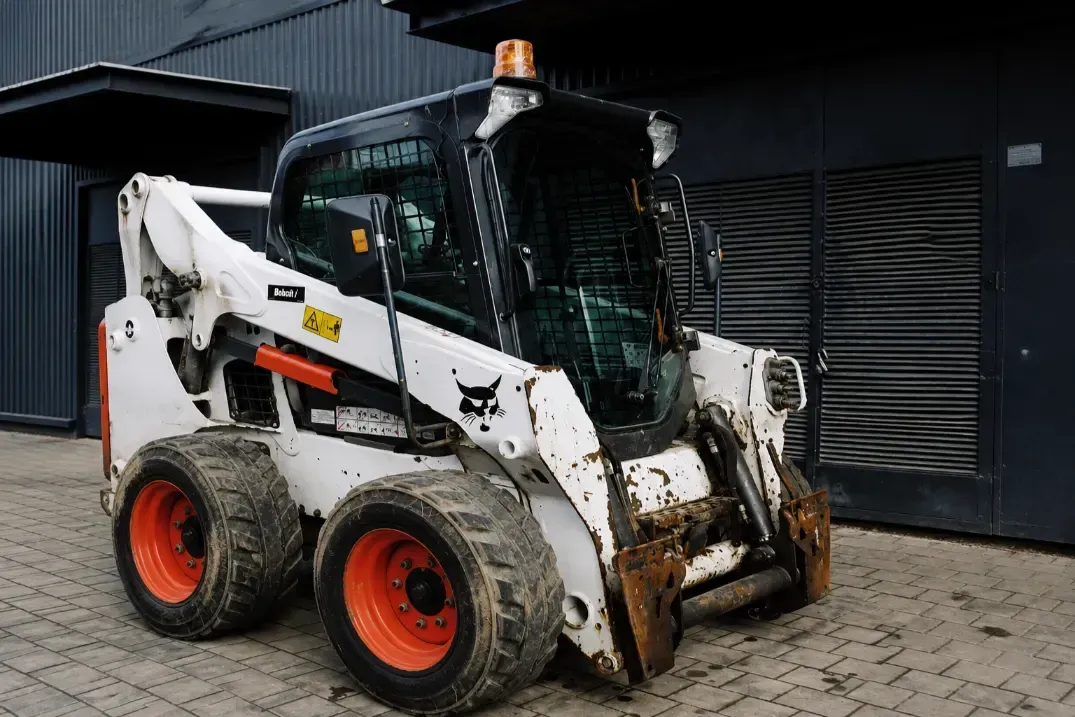
A tractor with a blade or box grader has the weight and PTO power for bigger jobs across open paddocks. A skid steer with a grader attachment wins on manoeuvrability for tight yards, sheds, laneways with fences on either side, and jobs where you're swapping attachments through the day.
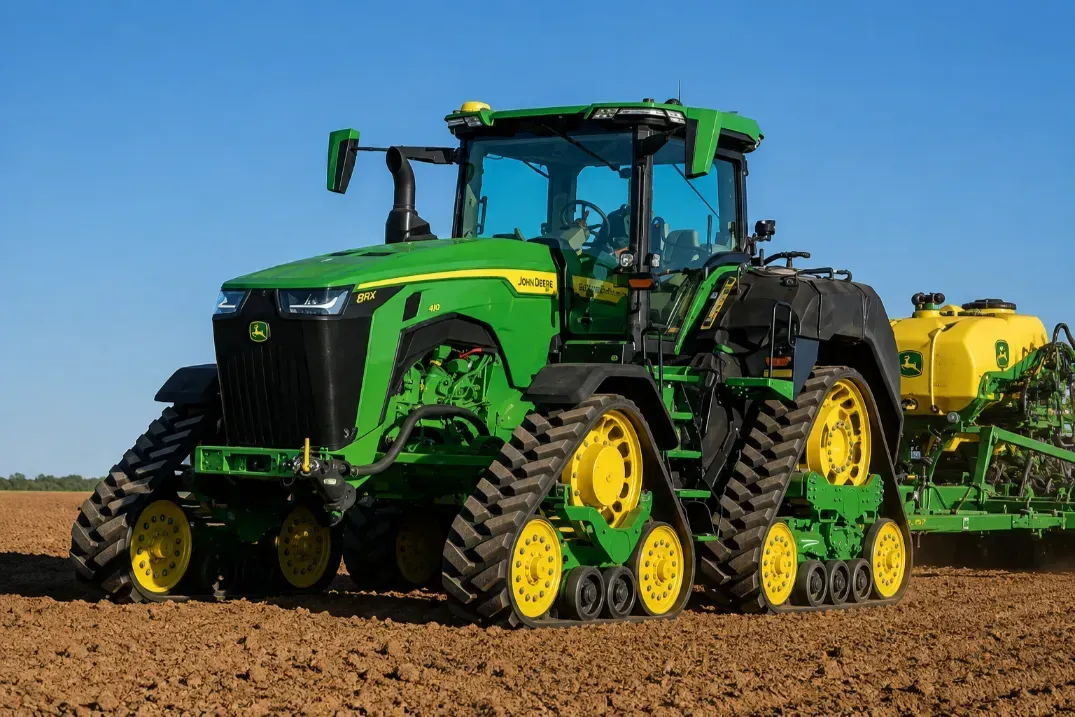
In practice, the answer comes down to the size of the area and how often you need to switch tasks, not a blanket rule about one machine beating the other. Most operations end up running both, using the skid steer for the tighter, more frequent grading jobs and the tractor for broadacre work.
Machinery Built for Australian Conditions
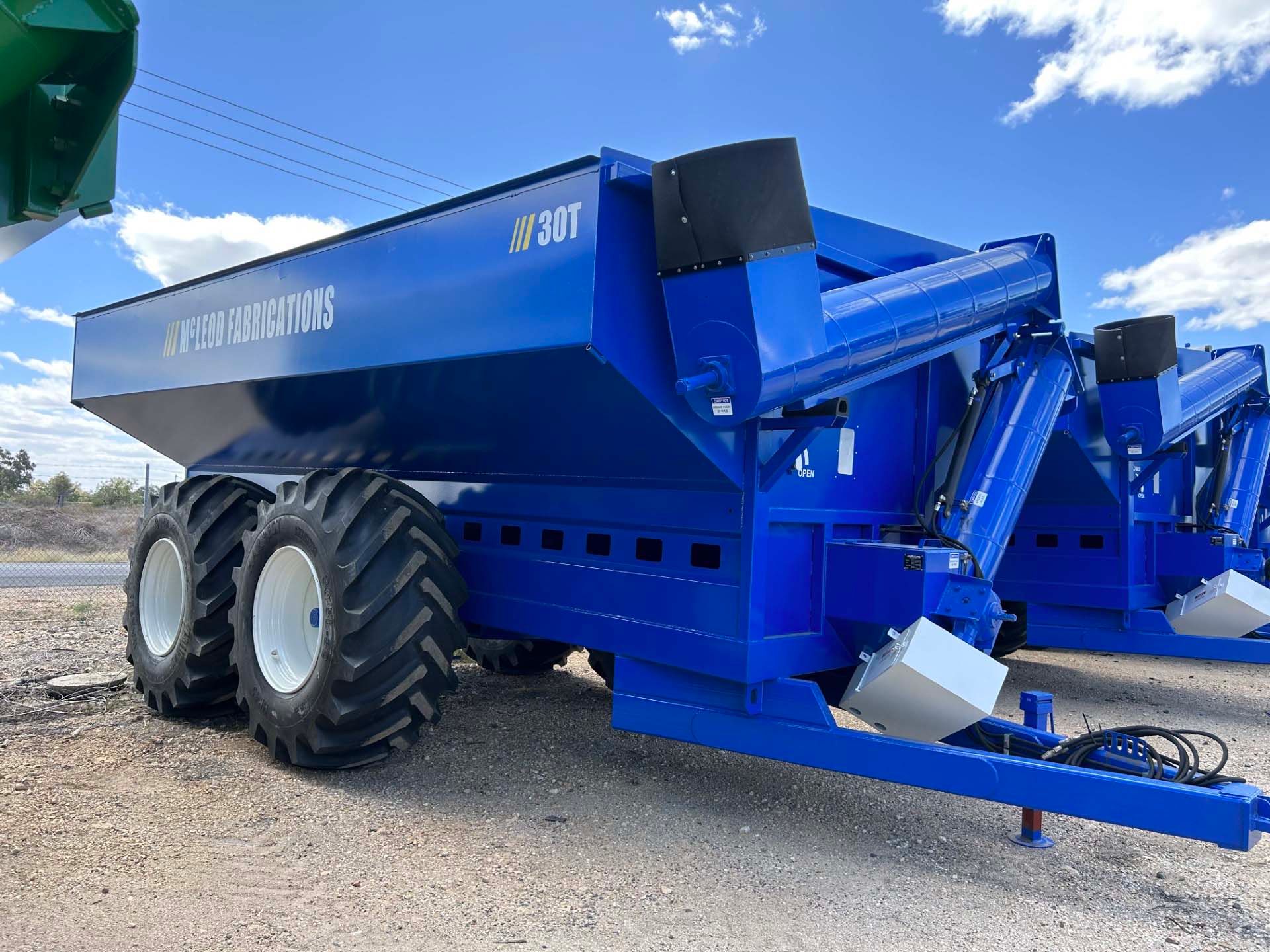
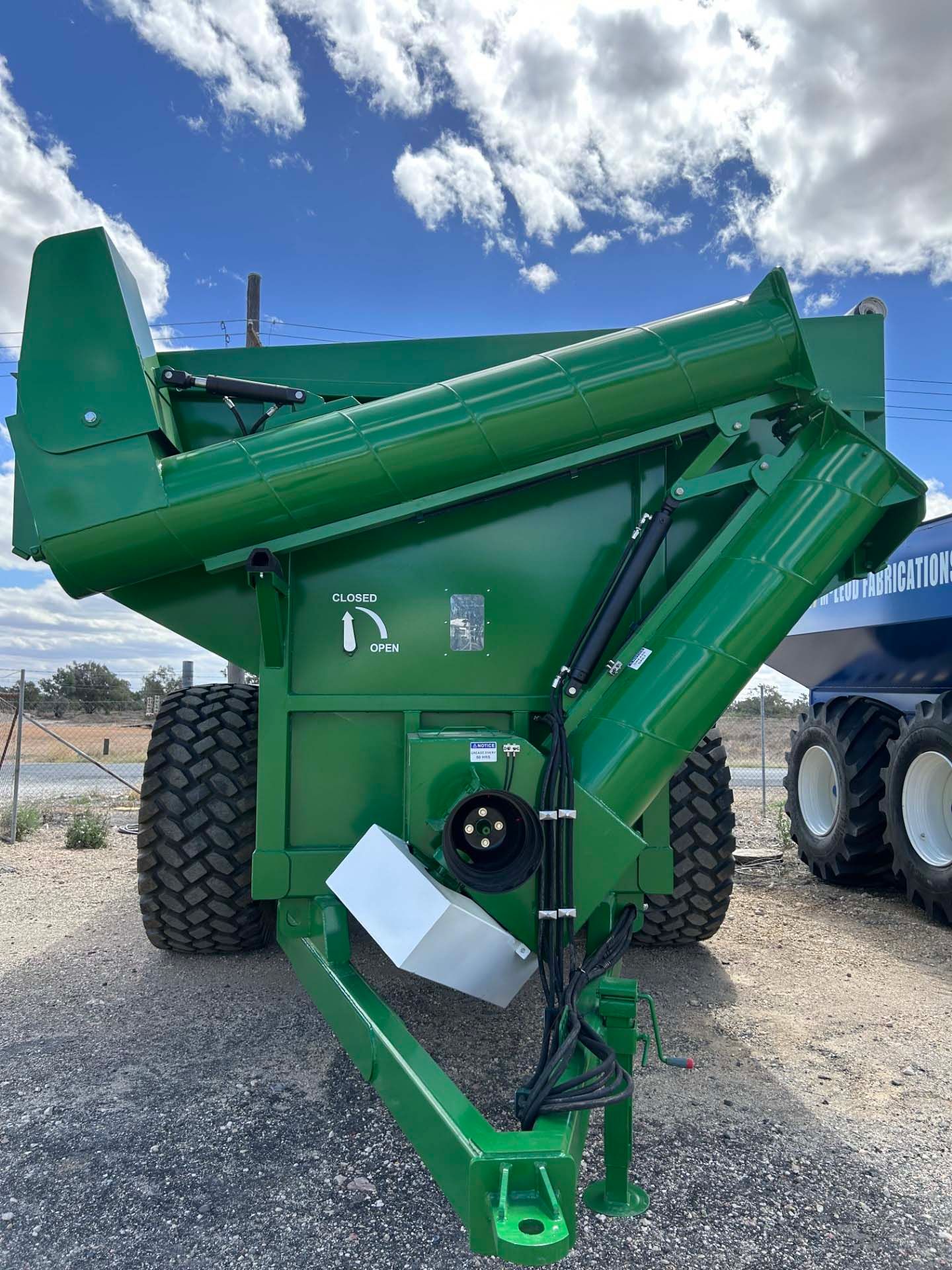
Once you've settled on the skid steer attachment uses that suit your property, the next question is durability. Imported grader attachments can leave you waiting weeks for a replacement cutting-edge or hydraulic part. McLeod Fabrications builds drag buckets for tractors, grader boards, and skid steer laser graders right here in Walgett, NSW, using standard components that are easy to source and replace. That's the difference between a grader attachment that's out of action for a fortnight and one that's back on the job the next day.
Located in NSW, we ship Australia-wide with fast turnaround times:
- NSW/ACT:
- VIC:
- QLD:
- SA:
- NT:
- WA:
If you're after agricultural equipment fabrication built to handle Australian conditions, or you want to see our full range of farm equipment for sale in Australia, give the team a call on 0427 281 527 to talk through what your property needs.