Land Levelling for Irrigation: How Even Paddocks Save Water and Lift Yields
Water is the one input you can't afford to waste. But that’s exactly what happens on an unlevel paddock. Water pools in the low spots, runs straight past the high ground, and your crop pays for it in patchy growth and wasted allocation. Paddock levelling fixes this at the source, and for Australian irrigators, it's one of the few practices that pays for itself in water savings alone.
If you've noticed uneven germination, boggy patches that never quite dry out, or irrigation runs taking longer than they should, an unlevel paddock is usually the cause.
Quick Answer
- Paddock levelling reshapes your field into a true flat plane (or a precise, gentle grade), so irrigation water spreads evenly rather than pooling in low spots and starving the high ground.
- Australian cotton growers have increased water productivity by 40% since 2003 through practices such as laser levelling, managed irrigation scheduling, and improved farm drainage.
- Level paddocks mean shorter irrigation runs and less water lost to runoff and deep drainage.
- Best suited to gravity, furrow, and flood-irrigated cotton, grain, and fodder country.
- McLeod Fabrications builds Australian-made laser-grading gear for this job.
What Is Paddock Levelling?
Paddock levelling (or land levelling) reshapes the soil surface so it drains and irrigates evenly, replacing natural humps and dips with a uniform plane or a carefully controlled fall that matches your irrigation layout.
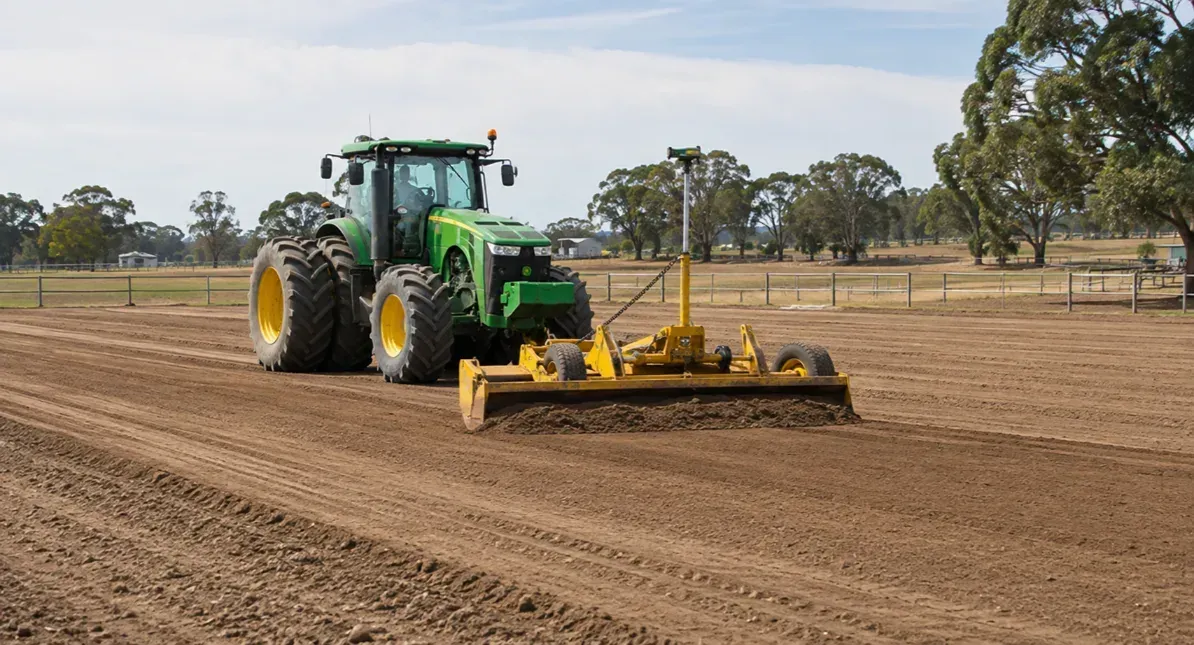
Most Australian irrigators doing land levelling for irrigation use laser-guided gear. A transmitter sets a reference plane above the paddock, and a receiver on the grader tells the operator exactly how much soil to cut or fill. At least 80% of the Australian cotton-growing area is irrigated using gravity surface-irrigation systems, and paddock levelling is what makes that irrigation work properly – get the grade right and water moves down the furrow at a consistent rate, top to bottom.
Why Even Water Distribution Matters
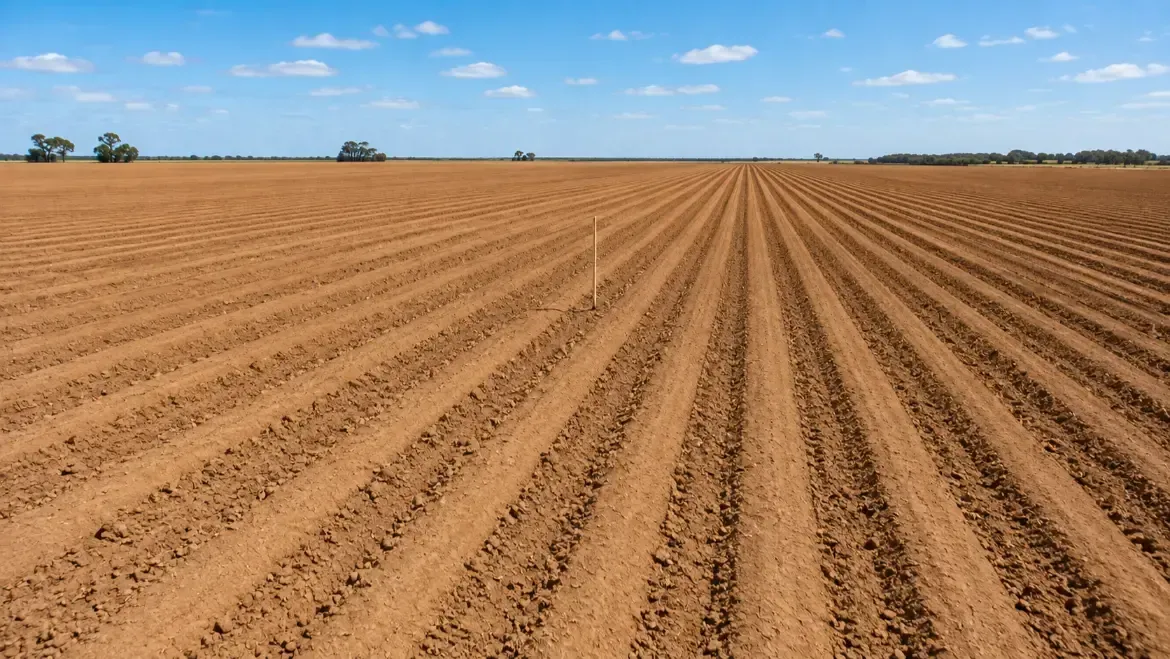
An unlevel paddock creates two problems in the same field. In low spots, water sits too long, pushing oxygen out of the root zone and inviting disease. In high spots, water runs off before it soaks in, and those plants go short. Yield drops in patches you can often see from the road.
Land levelling for irrigation solves both problems with a single pass. Once the surface is even, water moves across the paddock at a consistent depth and rate, reducing the volume you need per irrigation and the time it takes to reach the paddock.
How It Saves Water and Lifts Yield
Australian cotton growers have been laser levelling for water use efficiency for over two decades, and the results are well documented. Reviews of on-farm data show whole-farm irrigation efficiency improving from 57% to 70% as growers combined laser levelling with better scheduling and drainage, resulting in shorter irrigation runs, less deep drainage loss, and less tailwater running off the end of the paddock unused.
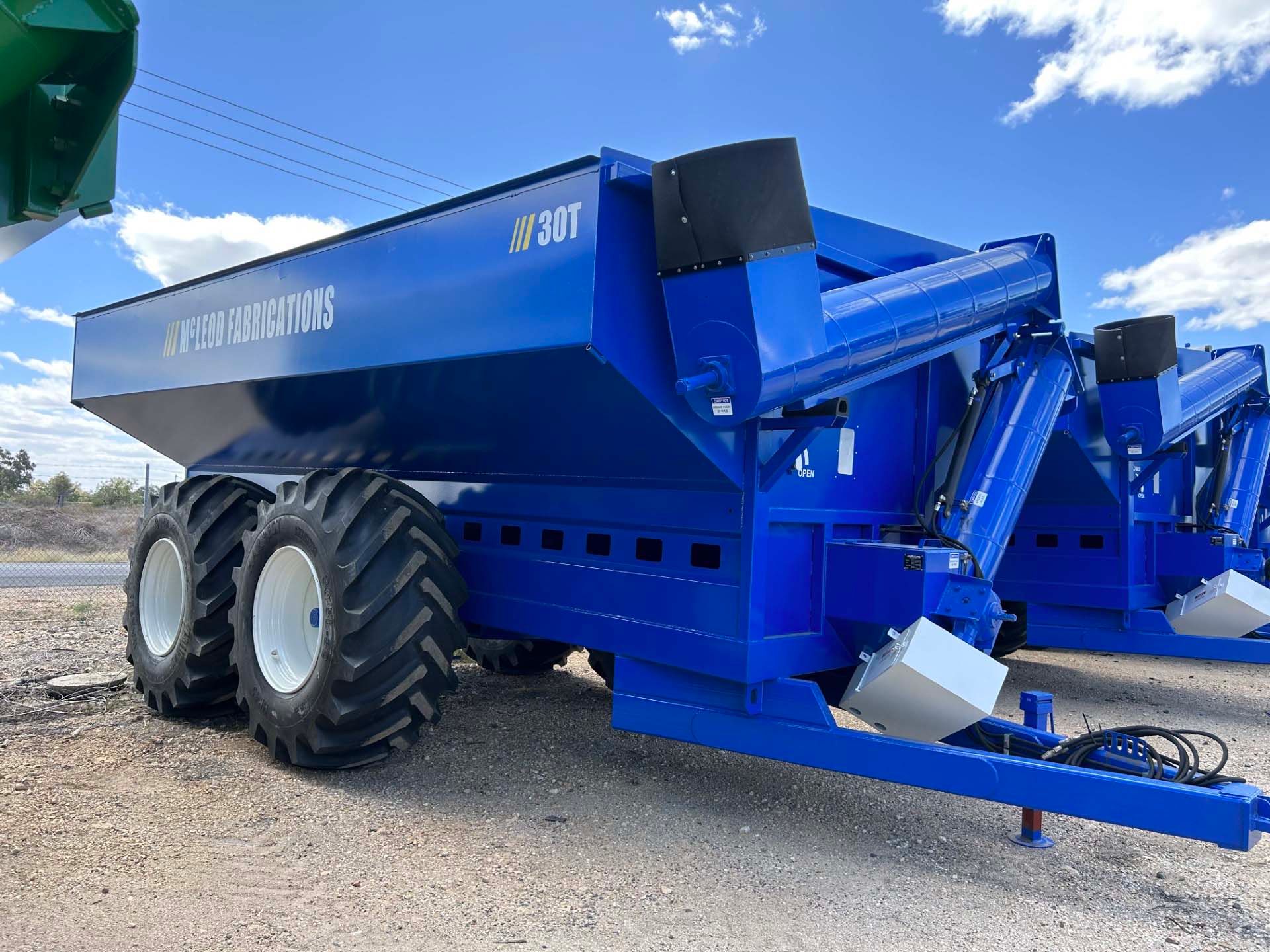
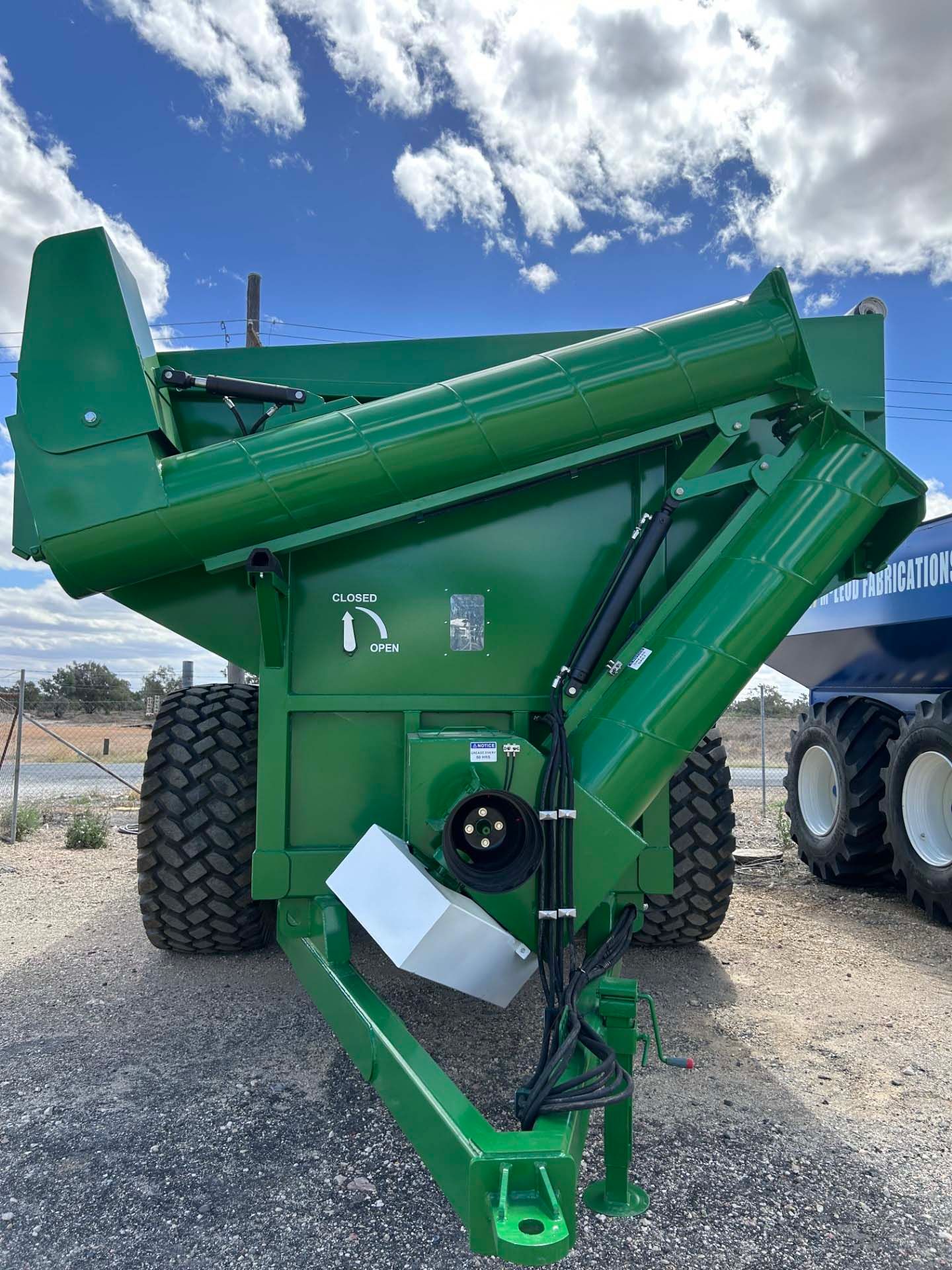
Even water distribution also means even crop establishment. Germination is more uniform, roots develop consistently, and the crop matures together instead of in patches, making harvest easier with gear like a chaser bin auger, since you're not navigating boggy low spots or dead high ground.
Is It Right for Your Operation?
Paddock levelling is usually worth it if you're running gravity, furrow, or flood irrigation on cotton, grains, or fodder, you've got visible high and low spots causing uneven germination, or your irrigation runs and tailwater losses are creeping up. It matters less on drip or spray systems, which aren't as sensitive to surface grade.
Most Australian cropping country is levelled to a slight, controlled fall rather than dead flat, so water keeps moving without pooling. Getting that grade right depends on soil type, crop, and irrigation layout, which is exactly why the levelling equipment needs to maintain its accuracy.
Getting the Right Gear for the Job
A well-built laser grader needs to hold its grade accurately and keep running season after season without constant downtime. McLeod Fabrications builds our OzGrade laser graders right here in Walgett, NSW, for growers who need gear tough enough for Australian conditions. For heavier cuts or channel and bank maintenance, our dragline bucket range is built the same way: heavy-duty construction, reversible cutting edges, and hydraulic tilt for control.
We also handle metal fabrication for the agricultural industry more broadly, from custom builds to onsite repairs.
Located in NSW, we ship Australia-wide with fast turnaround times:
- NSW/ACT:
- VIC:
- QLD:
- SA:
- NT:
- WA:
Need paddock levelling equipment built for the long haul? Call us on 0427 281 527 to talk specifications and pricing, or see our full range of farm equipment in NSW for what else we build for Australian growers.